Introduction
The 3.0 Liter Mercruiser engine has earned a solid reputation among boating enthusiasts for being one of the most dependable, fuel-efficient, and easy-to-maintain marine engines on the market. Designed for small to mid-size boats, this engine is a favorite for recreational boaters who want smooth performance without excessive fuel consumption. In this article, we’ll explore its features, benefits, maintenance tips, and why it continues to be a top choice for marine propulsion.
What Makes the 3.0 Liter Mercruiser Engine Special?
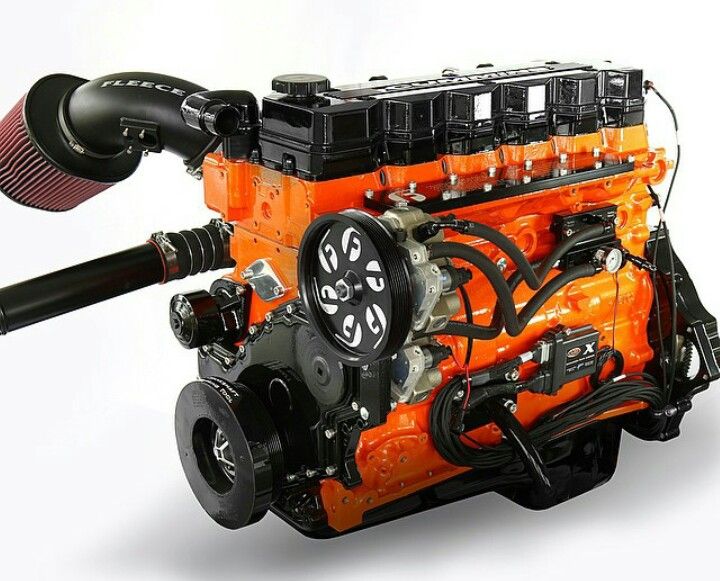
The 3.0L Mercruiser is known for its perfect balance of power and efficiency. Delivering around 135 horsepower, this inline-four engine provides enough thrust for cruising, towing light water sports equipment, and handling moderate loads with ease. Its compact design makes it suitable for various boat models, including bowriders, fishing boats, and runabouts.
Another reason for its popularity is its car-like simplicity. The engine’s layout is easy to understand, meaning routine checks and minor repairs can be done even by inexperienced boat owners. This simplicity results in lower maintenance costs and longer service life.
Performance and Fuel Efficiency
One of the standout qualities of the 3.0L Mercruiser is its excellent fuel economy. Compared to larger V6 or V8 marine engines, the 3.0L consumes significantly less fuel while still delivering smooth acceleration and dependable cruising speeds.
Boat owners appreciate that the engine performs consistently regardless of water conditions. Whether you’re navigating calm lakes or lightly choppy coastal waters, the engine provides a stable and predictable response. Its single-carburetor system contributes to its fuel-efficient performance and straightforward tuning.
Durability and Long-Term Reliability
The 3.0 Liter Mercruiser engine is built from high-quality marine-grade materials, ensuring it can withstand harsh saltwater environments when properly maintained. With features like a closed-cooling option, corrosion-resistant components, and simple mechanical systems, the engine can last for thousands of hours.
Owners frequently report that the engine remains reliable for decades when given regular care. Its availability of aftermarket and OEM parts also means repairs are rarely complicated or expensive.
Maintenance Tips for the 3.0L Mercruiser
To keep the engine running at peak performance, routine maintenance is essential. Here are a few helpful tips:
1. Regular Oil Changes
Changing the oil and filter after every 50–100 hours of use helps prevent internal wear and keeps the engine clean.
2. Inspect the Cooling System
Always ensure the water pump impeller is working correctly, as proper cooling is necessary to avoid overheating.
3. Keep the Carburetor Clean
A clean carburetor ensures smooth idle and efficient fuel usage. Periodic cleaning or adjustment can prevent many performance issues.
4. Check Spark Plugs and Wires
Worn spark plugs can cause misfires or rough idling. Replacing them regularly ensures smooth operation.
5. Winterize the Engine
If you live in a cold climate, winterizing is critical to prevent freezing damage and corrosion.
Why Boat Owners Still Choose the 3.0L Mercruiser
Despite the rise of modern fuel-injected engines, the 3.0L Mercruiser remains a favorite because of its affordability, reliability, low maintenance requirements, and strong resale value. For beginners and budget-friendly boaters, it provides everything needed for enjoyable weekend trips or fishing outings without unnecessary complexity.
Conclusion
The 3.0 Liter Mercruiser engine stands out as a timeless option for boaters seeking dependable performance, excellent fuel economy, and easy maintenance. Its durable construction, versatile power output, and long-standing reputation make it a smart choice for anyone considering a reliable marine engine. Whether you’re upgrading an older boat or looking for a trusted power option, the 3.0L Mercruiser continues to deliver exceptional value on the water.