Introduction
Cocker Spaniels are beloved for their silky coats, expressive eyes, and friendly personalities—but these adorable traits come with some breed-specific dietary needs. This breed is prone to gaining weight, experiencing ear infections, and having sensitive digestion. According to experts, an appropriate diet helps maintain a healthy weight, supports their characteristic coat, and prevents common health issues.
In particular, Cocker Spaniels love to eat, so portion control is critical. Overfeeding can lead to obesity, which exacerbates joint and heart problems. Moreover, some spaniels may be sensitive to certain ingredients, meaning a high-quality, well-balanced formula goes a long way.
Key Nutritional Factors to Look for in Their Dog Food
When selecting the best dog food for Cocker Spaniels, consider these nutritional factors:
- High-Quality Protein: Aim for a food that contains 25–30% (or more) high-quality animal-based protein. Protein supports their muscles, immune system, and helps prevent excessive weight gain.
- Healthy Fats & Omega-3s: Fats help fuel the dog and give them a shiny, healthy coat. Omega-3 fatty acids (EPA and DHA) also help reduce inflammation, which is beneficial for Cocker Spaniels, especially to support ear health.
- Moderate Carbohydrates & Fiber: Because this breed can have digestive sensitivities, look for digestible carbohydrates like sweet potatoes or brown rice — sources that provide energy without upsetting the stomach.
- Joint and Heart Support: Some breed-specific foods include joint-supporting nutrients like glucosamine or chondroitin, and heart-health nutrients such as taurine.
- Balanced Vitamins & Minerals: A nutritionally complete diet (AAFCO-approved) ensures your Cocker Spaniel gets a balanced mix of vitamins, minerals, and trace nutrients.
How Much and How Often to Feed Your Cocker Spaniel
Feeding frequency and portion size are just as important as choosing the right food:
- Meal Frequency: Most adult Cocker Spaniels do well with two meals a day, one in the morning and one in the evening.
- Portion Size: For an adult Cocker Spaniel (20–30 lbs), approximately 1 to 1.5 cups of high-quality dry food per day is a common guideline, but you should always check the calories per cup on the label to adjust correctly.
- Puppies: Young cockers may need 3–4 smaller meals daily to support their growth, and their food should have the right calcium-to-phosphorus ratio to maintain healthy bone development.
Ingredients and Additives to Avoid
Because Cocker Spaniels can be more prone to allergies and weight issues, it’s wise to avoid foods with:
- Cheap fillers or common allergens like corn, wheat, and soy.
- Artificial preservatives (like BHA, BHT), colors, and flavors.
- Extremely high-fat foods, which can lead to weight gain or even pancreatitis.
- Toxic foods like chocolate, grapes, onions, garlic, and anything sweetened with xylitol.
Recommended Types of Dog Food for Cocker Spaniels
Here are some types of food that are especially good for Cocker Spaniels:
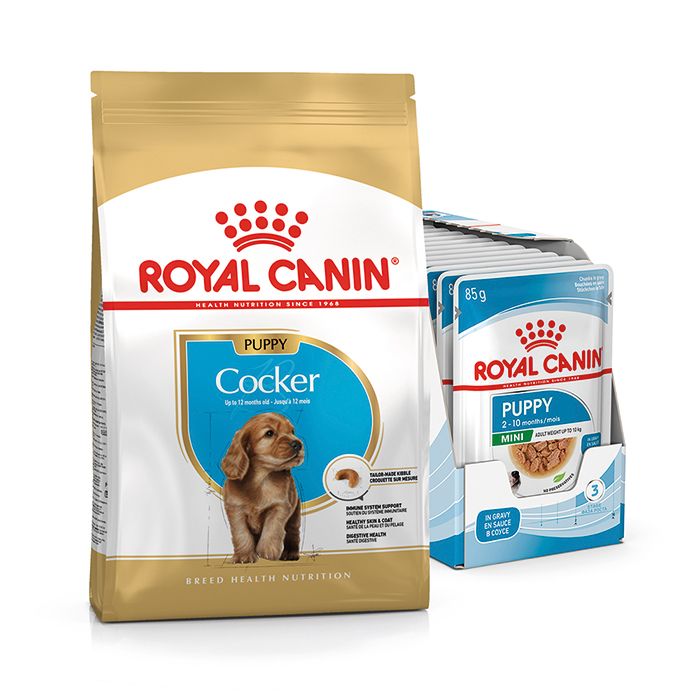
- Breed-specific premium kibble: Some brands formulate food specifically for Cocker Spaniels, with the right balance for skin, coat, and weight. For example, a formula developed by veterinarians may include prebiotics and beet pulp for digestion and tailored fat levels for weight control.
- Small-breed formulas: Because Cocker Spaniels are medium-small in size, small-breed foods with appropriately sized kibble and targeted nutrition are often very suitable.
- Limited-ingredient or grain-free: These can be helpful if your dog shows food sensitivities. Novel protein sources (like duck or venison) may reduce the risk of allergic reactions.
- Wet food or mixed diet: For picky eaters or those needing extra moisture, wet food can be mixed with dry kibble to improve palatability and hydration.
Final Thoughts: Tailor the Diet to Your Spaniel
Choosing the best dog food for Cocker Spaniels isn’t about one-size-fits-all. It’s about finding a formula that supports their active lifestyle, shiny coat, and sensitive digestion while avoiding ingredients that could cause problems. Work with your veterinarian to tailor the diet based on your dog’s age, weight, health history, and energy level. Monitor their body condition and adjust portions as needed to help them live a healthy, happy life with the right kind of fuel.