Introduction
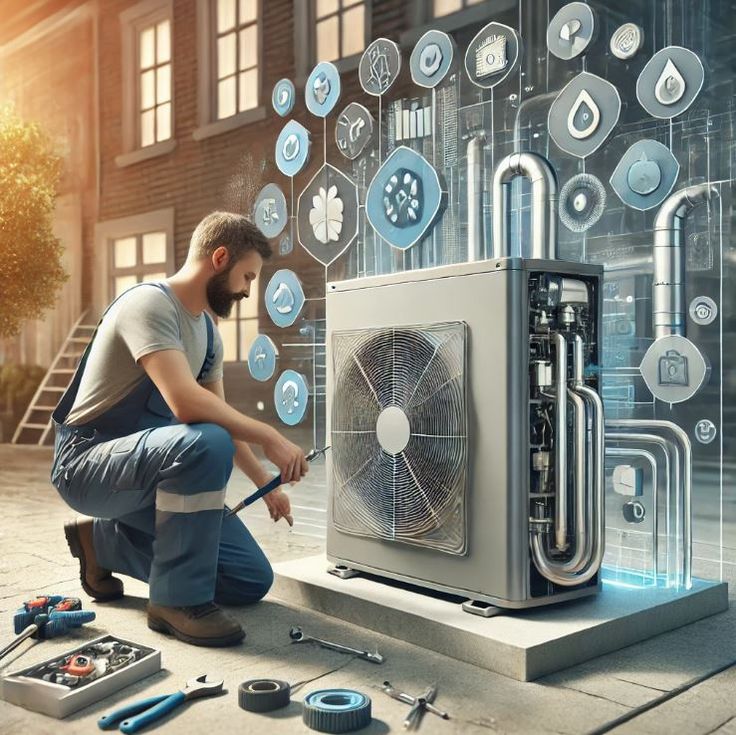
A common question among homeowners is: “Will heat pumps work in Frisco, TX?” The short answer is yes—heat pumps can operate very effectively in Frisco’s climate. This North Texas city experiences hot summers, mild winters, and occasional cold snaps, making it a suitable environment for modern heat pump technology. As energy efficiency becomes more important, many residents are exploring heat pumps as an alternative to traditional HVAC systems.
Why Heat Pumps Are Suitable for the Frisco Climate
Frisco, TX typically experiences winter temperatures ranging between the mid-30s and low-50s. This moderate winter climate is ideal for heat pumps, which work best in environments where extreme cold is not constant. Modern heat pumps—especially today’s advanced air-source and cold-climate heat pumps—are capable of heating efficiently even when temperatures drop near or below freezing.
Heat pumps transfer heat rather than generating it, which makes their operation more efficient during the majority of the year. Since Frisco rarely faces long stretches of deep cold, a heat pump can deliver reliable comfort without compromising performance.
How Heat Pumps Handle Frisco’s Hot Summers
Frisco summers can reach well into the upper 90s or even higher. Many homeowners wonder if heat pumps can cool homes effectively during intense Texas heat. Fortunately, heat pumps provide excellent cooling because they essentially work like air conditioners in summer. In cooling mode, a heat pump extracts heat from indoors and releases it outside, maintaining a comfortable indoor climate.
High-efficiency heat pump systems often achieve SEER ratings comparable to top-tier air conditioners. This means they can keep your home cool while also reducing electricity usage—a major benefit during energy-heavy Texas summers.
Energy Efficiency and Cost Savings
One of the biggest advantages of using a heat pump in Frisco is lower energy consumption. Instead of burning fuel, heat pumps move heat from one place to another. This makes them significantly more energy-efficient compared to electric furnaces or older HVAC units.
Benefits of heat pumps in Frisco include:
- Lower monthly utility bills
- Year-round heating and cooling from a single system
- Environmentally friendly operation
- Consistent indoor comfort in all seasons
For homeowners looking to reduce energy costs without sacrificing comfort, heat pumps are a smart investment.
Performance During Cold Snaps
Although Frisco winters are generally mild, occasional Arctic cold fronts can push temperatures below freezing. Modern heat pumps are designed to operate even in these colder conditions. Some units include variable-speed compressors and advanced refrigerants that improve performance in low temperatures.
Many homeowners pair their heat pump with:
- Electric backup heat, or
- A gas furnace (dual-fuel system)
A dual-fuel system automatically switches to the furnace when temperatures drop too low for the heat pump to work at peak efficiency. This setup provides maximum comfort and reliability no matter how cold the weather becomes.
Heat Pump Maintenance in North Texas
To ensure your heat pump performs well year-round, regular maintenance is essential. Frisco’s combination of dust, humidity, and summer heat can strain any HVAC system. Simple maintenance includes:
- Changing filters regularly
- Ensuring outdoor units stay clear of debris
- Scheduling seasonal checkups with a qualified HVAC technician
Well-maintained heat pumps often last as long as—or longer than—traditional HVAC systems.
Conclusion
So, will heat pumps work in Frisco, TX? Absolutely. The city’s mild winters, hot summers, and growing focus on energy efficiency make heat pumps an excellent choice for many homeowners. With the right system and proper maintenance, a heat pump can keep your home comfortable all year long while helping reduce energy costs. Whether you’re upgrading an older system or building a new home, considering a heat pump in Frisco is a smart move for comfort, savings, and sustainability.
If you want, I can also provide SEO keywords, FAQs, or a meta description for this article.